Friday 26th June 2026
- Jun 26
- 2 min read

Using magnifying glasses, the children closely examined real plants, identifying each part and discussing their functions. We also talked about what plants need to grow well, including sunlight, water, air, nutrients, space, the right temperature and time. To reinforce this learning, the children enjoyed active games and songs that helped them remember these important ideas in a fun and engaging way.
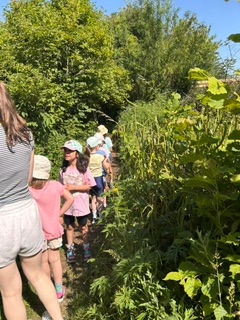
The children then took part in an exciting plant hunt around the garden, searching for different types of plants in a variety of environments. They noticed that some plants prefer shade, such as those in the woodland, while others thrive near water around the pond, and many enjoy sunny areas in the meadow and garden spaces. They also observed how the garden is cared for, spotting features such as water butts, compost areas and tomatoes growing in the polytunnel. Along the way, the children explored the pond, visited the bee hives, walked through the willow tunnel and enjoyed smelling herbs, using all of their senses to experience the environment.
Back together, the children reflected on what they had seen and shared their favourite plants. We then introduced a cuddly bee and learned about the important work bees do. The children discovered that bees collect pollen and nectar from flowers, helping plants to make seeds and the food we eat. They were amazed to learn how busy bees are, visiting thousands of flowers each day and always working together as a team.
The children then became “bees” themselves, using sticky tools to collect pollen from flowers while treating the plants with care. This activity helped them understand pollination in a hands-on way while encouraging teamwork and cooperation. Some children were also able to learn more about bee hives and how they work.
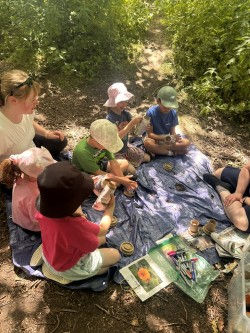
To finish the day, the children planted seeds to help grow flowers for bees in the future. They made small pots from newspaper, filled them with compost, planted seeds and labelled them carefully. These will be taken back to school and watered as the children watch them grow. The day also included time for free play, exploration and a peaceful moment listening to the sounds of nature.
It was a wonderful day filled with curiosity, learning and enjoyment. The children developed a deeper understanding of plants, pollinators and how we can all help care for our environment, and they should be very proud of their enthusiasm and behaviour throughout the trip. 🌿🐝🌸